Construction done without the proper permits continues to be one of the most common reasons cities and counties turn to health and safety receiverships. What begins as a seemingly small, well-intentioned improvement—a room addition, a converted garage, new plumbing or electrical—can quickly escalate into a serious safety concern when it’s performed outside the permitting process.
When these violations accumulate, the property may pose risks not only to occupants but also to neighbors and first responders. In these situations, a health and safety receivership becomes a critical tool for ensuring violations are abated thoroughly and safely.
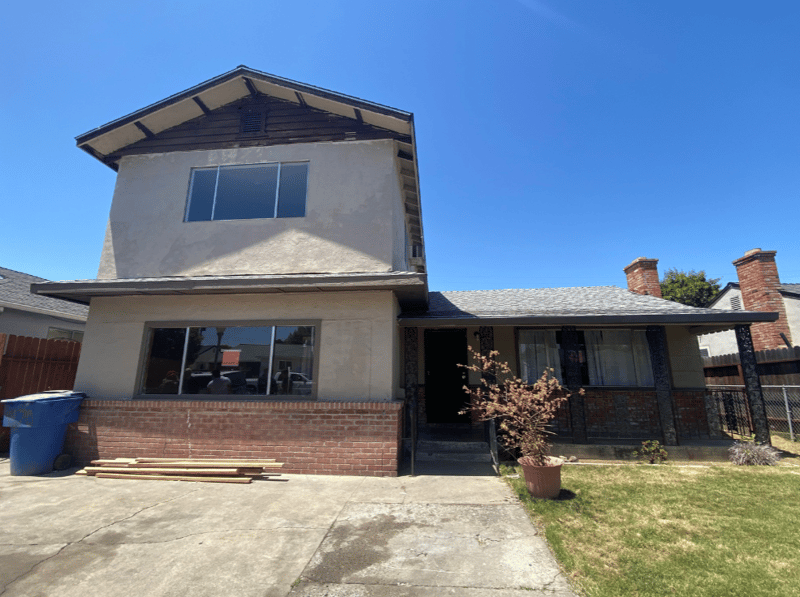
In one Sacramento case, years of unresolved code enforcement violations, including an unsafe second-story addition and garage conversion, created conditions that the City ultimately classified as dangerous and substandard when the homeowner tried to rent the property. When voluntary compliance failed, the court appointed Griswold Receivers to take control of the property, stabilize the hazards, and oversee a legally compliant rehabilitation. This case illustrates how receivership provides cities with a powerful, court-supervised solution when unpermitted construction puts residents and neighborhoods at risk.
How the Case Got Here: From Code Violations to Court Oversight
This Sacramento property didn’t become a nuisance overnight. Before the court ever appointed a receiver, the City had already gone through its standard code enforcement process: inspections, notices, and opportunities for the owner to voluntarily correct the violations.
Because the unpermitted second-story addition and garage conversion raised serious structural and life-safety issues, the City ultimately had to escalate. The work performed by the owner affected how the building carried load, how safely people could live there, and whether the structure met minimum housing and building standards. When voluntary compliance didn’t occur, the City turned to the court and requested appointment of a receiver to take control of the property and ensure the work was done correctly.
Why Unpermitted Construction Is a Big Deal
Unpermitted construction is more than a paperwork issue. In this case, the unapproved second story over a converted garage raised multiple concerns, including:
-
Structural integrity – Whether the foundation, framing, and load paths were designed to safely support the added floor.
-
Fire and life-safety – Whether exits, smoke alarms, fire separation, and related features complied with code.
-
Electrical and mechanical systems – Whether wiring, HVAC, or plumbing were installed safely and inspected.
-
Habitability – Whether the space met minimum standards for occupancy under local and state law.
When work is done without permits, none of these components are properly reviewed or inspected, which is why cities will sometimes classify such buildings as substandard or dangerous—even if they look “finished” from the outside.
The Receiver’s Role: Bringing the Property Back Into Compliance
Health and safety receivership is a viable option for unpermitted construction cases when traditional enforcement has failed. Once appointed, the Griswold Receivers team stepped in as a neutral, court-supervised third party. Our job was to stabilize the situation and develop a plan to bring the property back into compliance with the City’s health and safety codes.
Key steps included:
-
Coordinating inspections with licensed contractors and the City Building Inspector to fully identify violations.
-
Documenting additional issues discovered during inspection, beyond the originally known unpermitted work.
-
Evaluating multiple rehabilitation paths, including demolishing the second story, demolishing and rebuilding it, or repairing and restoring it to meet current code.
From there, we recommended a conservative, cost-effective option for court approval: repairing and restoring the existing second floor so that it meets code standards. This approach minimized unnecessary demolition while still prioritizing safety and compliance. It was also made clear that if additional hidden defects emerged during construction, we would return to the court to request authority to adjust the scope of work.
Security, Budget, and Ongoing Oversight
Because the property was vacant during this process, it required active management even before construction started. Vacant homes often attract trespassers, vandalism, and theft of building materials. To mitigate risks associated with these possibilities, our team:
-
Arranged daily security patrols to protect the site.
-
Ensured appropriate insurance coverage and risk management.
-
Prepared a budget request to cover anticipated construction, security, insurance, and related receivership expenses.
All of this occurs under the court’s supervision. The Receiver doesn’t simply make unilateral financial decisions—the court reviews and approves the budget, and the Receiver provides regular reports on how funds are being used.
Discharge of the Receiver
Once the rehabilitation work is complete, the violations are abated, and the financial side of the receivership is resolved, the case moves toward closure. This is often done through a stipulation and order for discharge, where:
-
The parties acknowledge that the Receiver has completed their court-ordered duties.
-
The court approves the Receiver’s final accounting and actions.
-
The Receiver is formally discharged from the case, and the property transitions back to standard private ownership and management (subject to any remaining secured obligations).
For cities and neighborhoods, this marks a key milestone: a once-dangerous, code-deficient property has been stabilized and returned to productive use.


FAQs for Cities and Property Owners
Q1: Why is unpermitted construction a serious concern?
A1: Unpermitted work on a property affects structural integrity, fire and life-safety, electrical and mechanical systems, and habitability. It can escalate quickly from code violations to court cases. Any alterations to a building or home must go through the proper permitting process to ensure safety - not only for the property's inhabitants, but for the public as well.
Q2: Can voluntary compliance prevent receivership?
A2: Yes, early cooperation with the City and enforcement officials often allows owners to correct violations before a receiver is necessary. Early cooperation also prevents property owners from having to pay hefty fines for violations and non-compliance. The quicker these violations are solved cooperatively, the better.
Q3: When is receivership used?
A3: Receivership is used for high-risk properties that have not responded to traditional enforcement measures. A city or county will have already exhausted the remedies needed to gain compliance before turning to court-ordered intervention as a last resort.
The Griswold Receivers Way: Expertise in Restoring Safe, Habitable Housing
Griswold Receivers specializes in health and safety receiverships, guiding substandard properties from neglect to compliance. Our approach ensures that buildings are rehabilitated efficiently, transparently, and in full compliance with legal and safety standards.
Our Approach Combines:
-
Expertise: Skilled professionals in both property rehabilitation and receivership law.
-
Creativity: We believe there is no problem too complex to solve.
-
Drive: We possess a relentless determination to carry projects across the finish line and restore safety and compliance.
-
Transparency and Integrity: Regular updates and detailed reporting for stakeholders.
-
Community Focus: Restores safe, habitable units while supporting affordable housing preservation with an empathetic approach.
If you’re facing challenges with substandard properties, Griswold Receivers can provide the guidance and execution necessary to restore safety and compliance.
Contact us today to discuss how our receivership services can revitalize properties and help communities thrive.